
Indonesia’s mobile communications market is set for major changes. The country’s Ministry of Communication and Digital Technology (Kemkomdigi) has officially approved Regulation No. 7 of 2026.
Under the regulation, the five-month trial period for the new facial recognition system has been deemed successful, and from 1 July 2026 biometric verification will become mandatory for registering all new SIM cards and eSIMs.
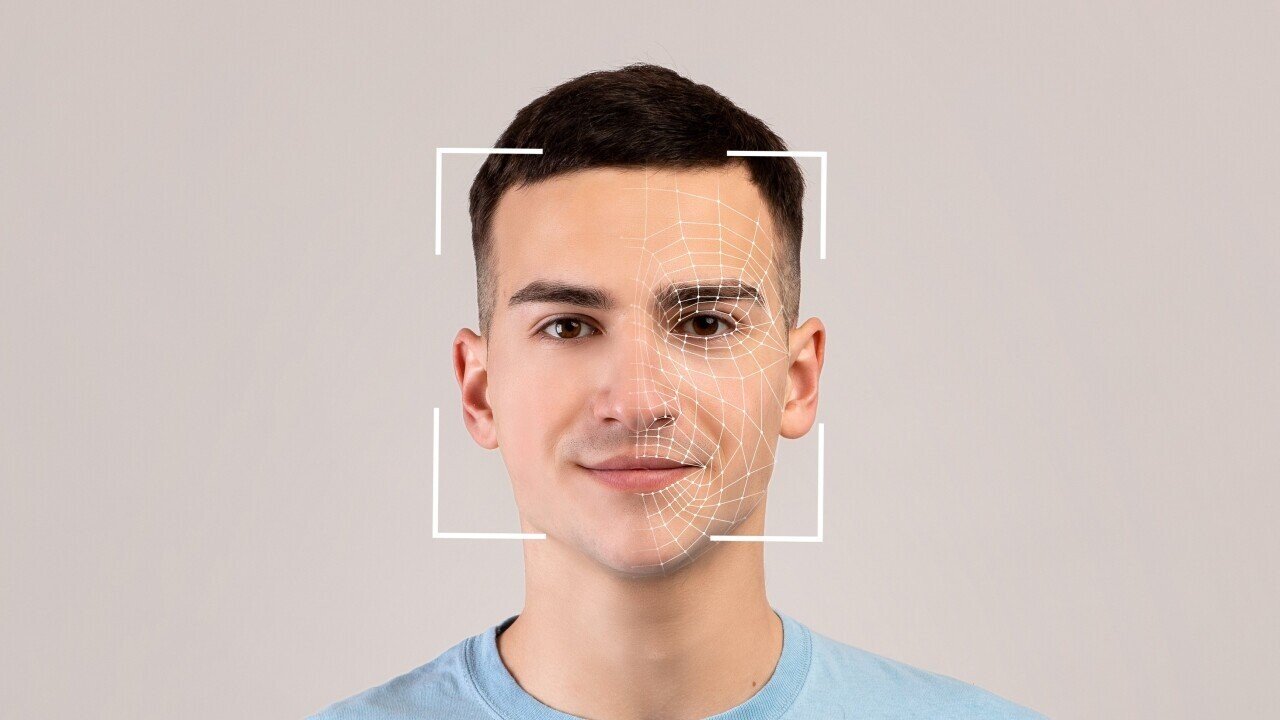
The new rule will apply to both local residents and foreigners. The faces of Indonesian citizens will be automatically checked against the Dukcapil national civil registration database, while the faces of foreign tourists will be checked against the Indonesian immigration database.
For foreign nationals, the required documents remain the same. To buy a local number, you will still need your original passport and a valid entry stamp or visa. When registering a SIM card at an official store or through a mobile operator’s app, the system will ask you to complete a quick face scan using your phone camera or a special terminal.
According to the ministry, the process takes 1 to 2 minutes. The software uses liveness detection technology. This means that holding up a photo from another screen or a printed picture will not work — the system will recognise the attempt to bypass the check.
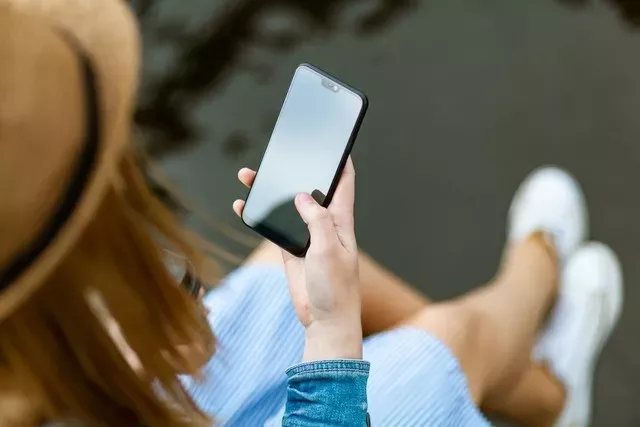
Under the rules, no more than three numbers can be registered with one mobile operator using a single passport — and now each number will require biometric verification.
The main aim of the reform is to tackle digital fraud, spam calls and the use of “grey” numbers that were registered in large numbers under other people’s names.
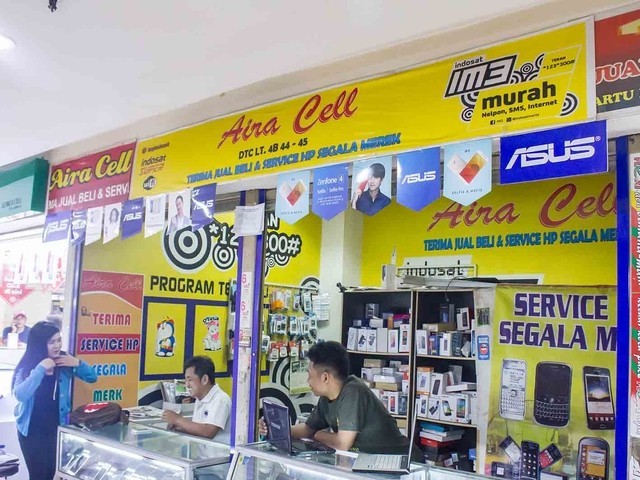
For ordinary street stalls in tourist areas such as Canggu, Kuta and Ubud, the rules will become much stricter. Small vendors will simply lose the technical ability to activate SIM cards without official verification. By July 2026, Indonesia’s largest operators — Telkomsel, XL Axiata and Indosat (IOH) — will have fully updated their software.
For greater reliability, tourists are advised to buy mobile services at official counters at Ngurah Rai Airport on arrival, at branded service centres such as Telkomsel’s GraPARI, or to register an eSIM through providers’ official mobile apps.
There is no need to worry or rush to an operator’s office to re-register your number. The law only applies to new mobile number registrations carried out after 1 July 2026.
If you have been living on the island for a long time and your current SIM card is already correctly registered with your passport details, it will continue to work as normal. Existing users can choose to complete biometric verification voluntarily — this will help protect their number from possible duplication by fraudsters.
Mobile operators have already moved to reassure the public: mobile companies will not store your biometric data on their own servers.
The process works like a secure encrypted bridge. The operator takes a photo of your face, encrypts it and sends a request to the immigration database. The system checks: “Yes, the face matches the passport photo used by this person to enter the country.” After that, approval is given, the number is activated, and the photo is deleted.
Indonesia is not unique in this respect — the same kind of biometric checks for tourists buying SIM cards have already been in place for some time in Thailand and Vietnam. So, take a breath and get ready to take a selfie when buying mobile services!

You can add one right now!