
Foreigners can buy a villa in Bali, but they cannot hold land under full ownership the way Indonesian citizens can.

That said, there is no shortage of listings, from ready-built homes by the ocean to villas still under construction. The key is to understand exactly what is being sold, what rights the buyer will get, and which documents need to be checked before any money changes hands.
Options available to foreigners
In Indonesia, land held under freehold title, Hak Milik (SHM), can only be owned by Indonesian citizens. Foreign buyers have other ways to hold property.
Hak Pakai — right of use. Provided the established requirements are met, it allows a foreigner to register a home in their own name. The term depends on the land category: in some cases the right is granted for 30 years, with the possibility of extension and renewal.
Leasehold (Hak Sewa) — long-term lease. This is one of the most common options in Bali. In practice, the buyer gets the right to use the villa or plot for the term set out in the agreement. That is why it is especially important to agree in advance on the terms for extending the lease and on what happens to the house once the lease ends.
PT PMA — a foreign-owned company. This option is used in particular for investment and commercial property. The right to the property is registered to an Indonesian legal entity, which must comply with legal requirements and file the necessary reports.
The right choice depends on whether you plan to live in the house, rent it out to tourists or hold it as an investment asset.
How much does a villa in Bali cost?
Minimum price thresholds apply when residential property is registered to a foreigner. In Bali they are:
- 5 billion rupiah for a detached house or villa;
- 2 billion rupiah for an apartment.
These are the legal minimums for the respective types of housing, not average market prices. Property prices in Canggu, Ubud, Uluwatu and other areas can vary considerably.
However, these minimum price restrictions should not automatically be assumed to apply to ordinary long-term lease agreements.
What to check before you buy
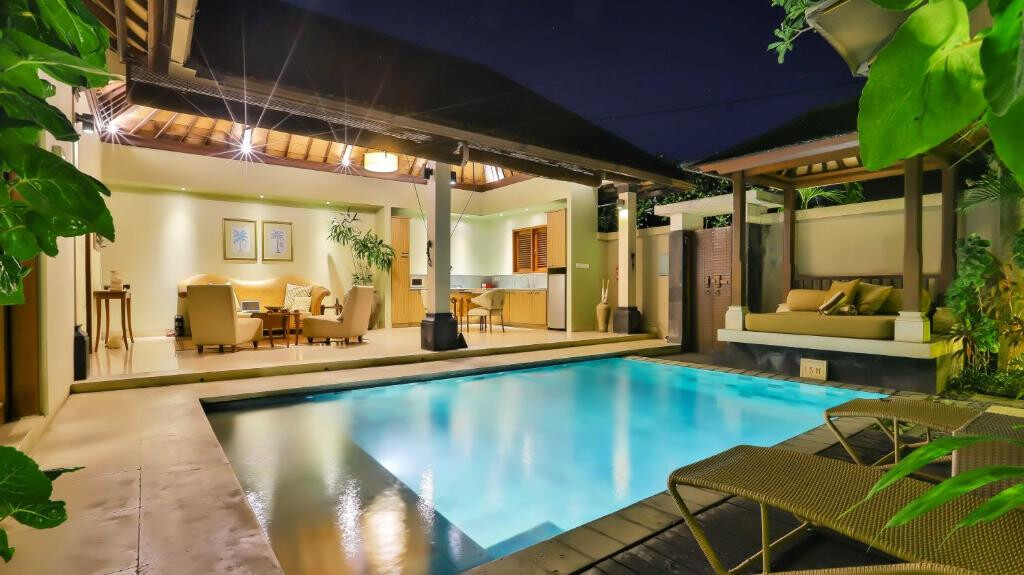
A beautiful villa with a pool and an ocean view does not mean the paperwork is in order. Be especially cautious about properties advertised as a ready-made business with guaranteed income.
Before the deal, you need to find out:
- Who holds legal rights to the land and whether they are entitled to sell the property.
- Whether the plot's area and boundaries match the documents.
- Whether construction is permitted on the land.
- Whether the building has its documents in place, including PBG and SLF.
- Whether there are any mortgages, debts or other encumbrances.
- Whether the villa can legally be rented out to tourists.
The last point is especially important for investors. A finished villa with existing bookings does not in itself prove that tourist rentals are legal. For this kind of activity, you need to check the zoning, permits and licensing requirements.
How buying a villa works
A deal usually involves five main stages.
1. Choosing a property. The buyer finds a property, clarifies its legal status and requests the documents for the land and the building.
2. Legal checks (due diligence). An independent lawyer checks the seller, certificates, zoning, permits, taxes and any possible restrictions.
3. Preliminary agreement. The parties agree on the price, timelines, payment terms and the conditions for refunding the deposit. For a purchase involving a transfer of rights, a PPJB agreement may be used.
4. Completing the deal. If the deal involves transferring a registered land right, the required deeds are executed with a PPAT, an official authorised to handle land transactions. For a leasehold, the contractual lease procedure applies.
5. Registering the right. In deals involving the transfer of a registered right, the documents are submitted to the BPN land office. With an ordinary lease, the land certificate is not transferred to the tenant.
The golden rule is not to pay a non-refundable deposit until the legal checks are complete. Even a preliminary agreement does not guarantee you will get your money back if problems with the property come to light later.
What costs the buyer should expect
On top of the property price, you need to factor in taxes and paperwork costs.
In a standard sale, the seller usually pays PPh tax of 2.5% of the transaction value. The buyer pays BPHTB, a tax on acquiring rights to land and buildings, at a rate of up to 5%.
PPAT services, registration and legal support are paid for separately. For a long-term lease, the tax structure and costs will be different.

Why you should never register a villa in a nominee's name
Foreigners are sometimes offered what looks like a simple solution: register the land in the name of an Indonesian citizen and secure the foreign investor's rights through side agreements.
But this arrangement does not make the foreigner the legal owner of the land. What is more, agreements designed to get around the ban on foreign ownership of Hak Milik can be declared invalid. As a result, the buyer risks losing both the money invested and control over the property.
What if you buy a villa from a developer?
With a new build, you need to check not only the land but also the developer itself. Does the company hold rights to the plot? Have the necessary permits been obtained? What happens if construction is delayed or the project stalls?
Pay particular attention to the payment schedule, the handover date and the refund terms. When buying at the presale stage, a large share of the money may be paid before construction is finished.

How to avoid problems
The most expensive mistake when buying property in Bali is paying first and sorting out the documents afterwards. It is best to have the checks done by an independent lawyer who represents the buyer, not the seller or the developer.
The Legal Indonesia team can help you check the property and the seller's documents, choose a lawful ownership structure and support you through every stage of the deal.
For more on the types of property rights, taxes, documents and the buying process, read the article by Legal Indonesia.
📩 Contact us in whatever way suits you for a consultation!

You can add one right now!