
Bali’s ban on drinking water in plastic containers smaller than one litre can no longer be challenged.
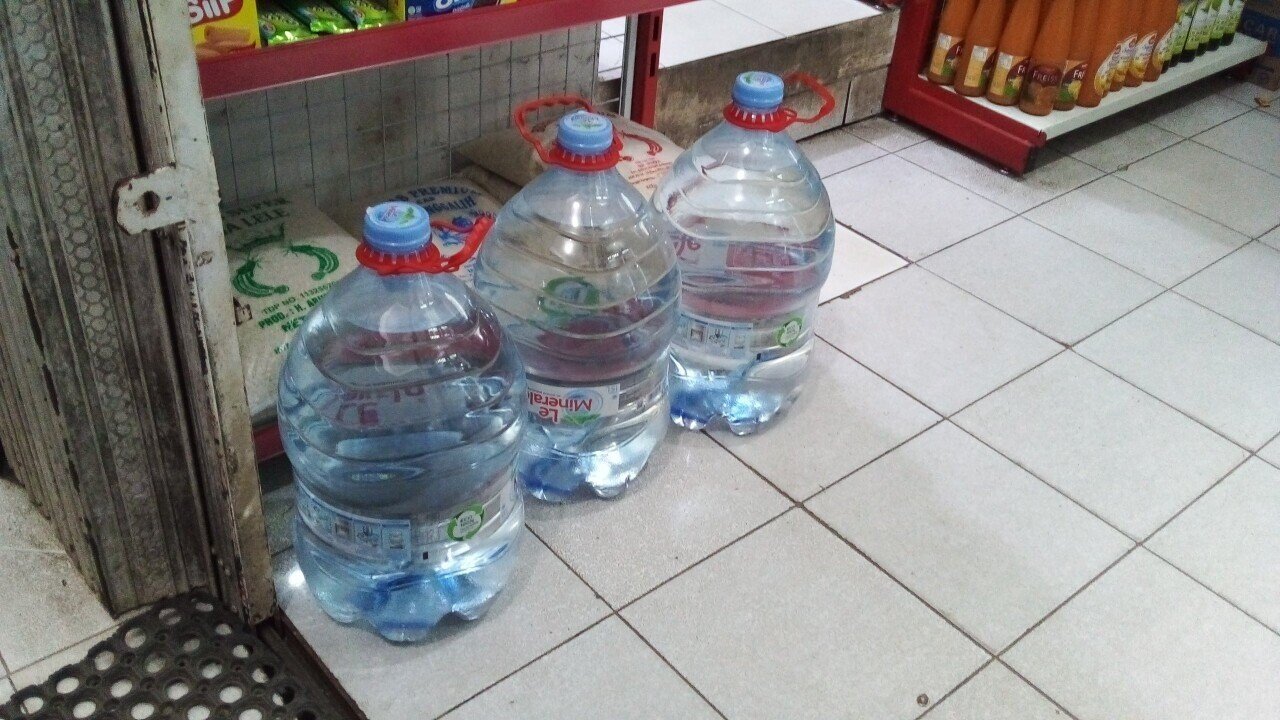
A local water producer’s lawsuit against the provincial authorities failed at two levels, the deadline for a cassation appeal expired on July 29, and the ruling became legally binding. The circular designed to eliminate small single-use plastic items from the island remains fully in force.
The ban is set out in Circular No. 09/2025 on the Bali Without Waste movement, signed by Governor Wayan Koster on April 2, 2025. The section on prohibitions states explicitly that no business may produce drinking water in single-use plastic containers smaller than one litre in Bali Province, while distributors and suppliers are prohibited from distributing beverages in single-use plastic packaging across the island. A separate clause prohibits any business in Bali from providing single-use plastic items, including bags, straws, Styrofoam and beverages in plastic containers.
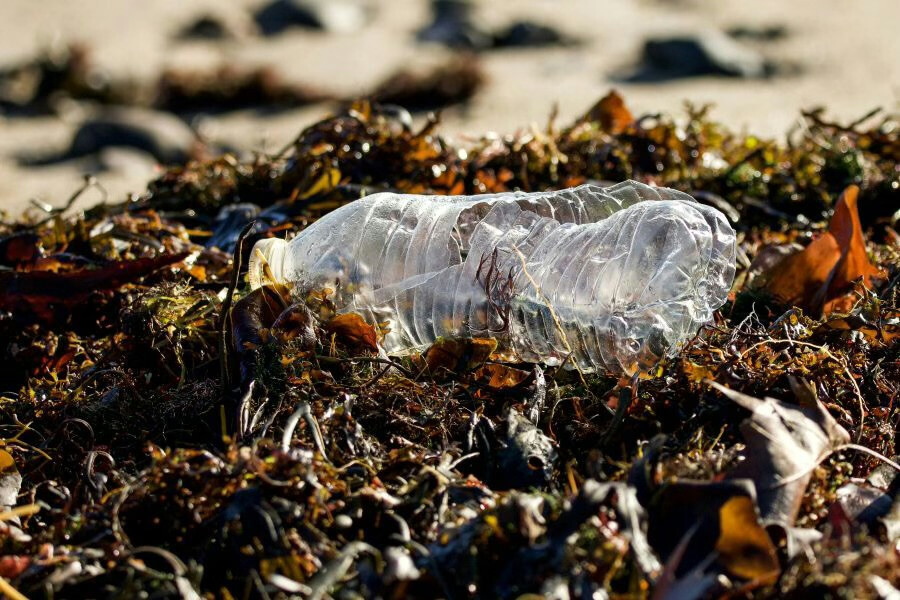
Compliance is to be monitored by the municipal police together with the relevant provincial, city and regency agencies. Two measures are prescribed for hotels, shopping centres, restaurants and cafés: their licences may be reviewed or revoked, and they may be publicly named on social media as environmentally unfriendly businesses that people should not visit. Villages that have not introduced separate waste collection face having financial assistance frozen and being excluded from special programmes. The circular sets January 1, 2026 as the deadline for introducing waste sorting at source.
The lawsuit was filed by CV Tirta Taman Bali, a producer of bottled water under the Nonmin brand, including water sold in containers smaller than one litre. The company argued that the governor had exceeded his authority: a restriction of this scale must be introduced through a regional law or regulation, while a circular is addressed to subordinate bodies and should not be binding on businesses.
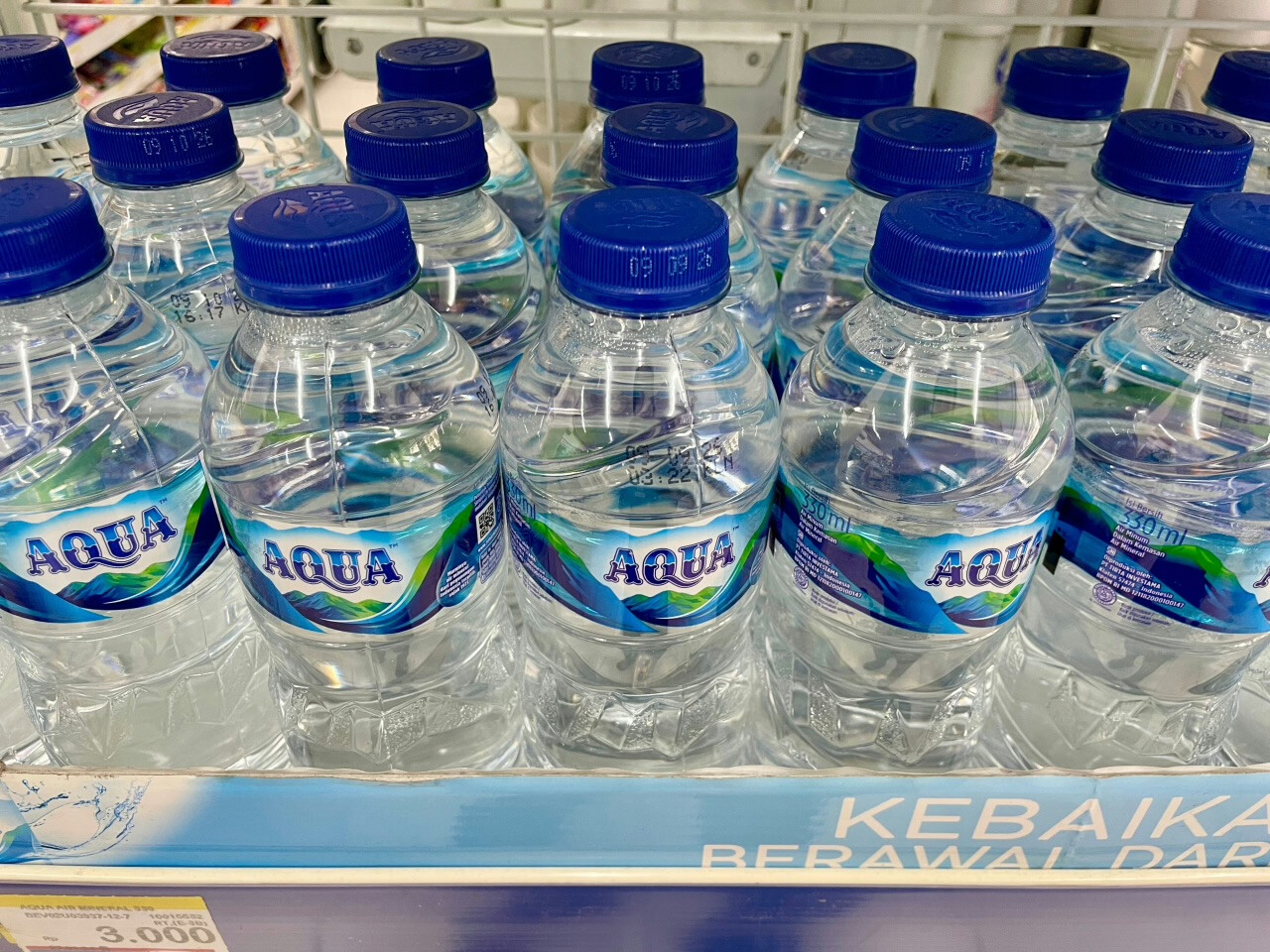
Its second argument was that its production licence remains valid until 2030, while the production lines purchased under that licence are now sitting idle. It was not the only company to oppose the ban: Danone, which owns the Aqua brand, also resisted the authorities’ requirements for a long time.
The court never considered the substance of these arguments. The company withdrew its first lawsuit on December 30, 2025 to revise it, then refiled it on January 8, 2026. On May 21, the Denpasar Administrative Court accepted the defendant’s objection and declined to hear the case because the deadline for challenging the circular had already passed by the time the lawsuit was filed.
On July 15, the Administrative Court of Appeal in Mataram upheld the ruling, and the deadline for a cassation appeal expired on July 29 without the claimant filing one.
The courts never considered the substance of the ban itself, as the dispute came down to the filing deadline. This does not affect the circular: it remains fully in force.

You can add one right now!