
Local authorities in Bali have been instructed to gather complete data on villas and other properties rented out to tourists, and to check which of them hold permits. The move follows complaints about villas built without permits: such a house is not registered anywhere as a business and pays no tax on the rental income.
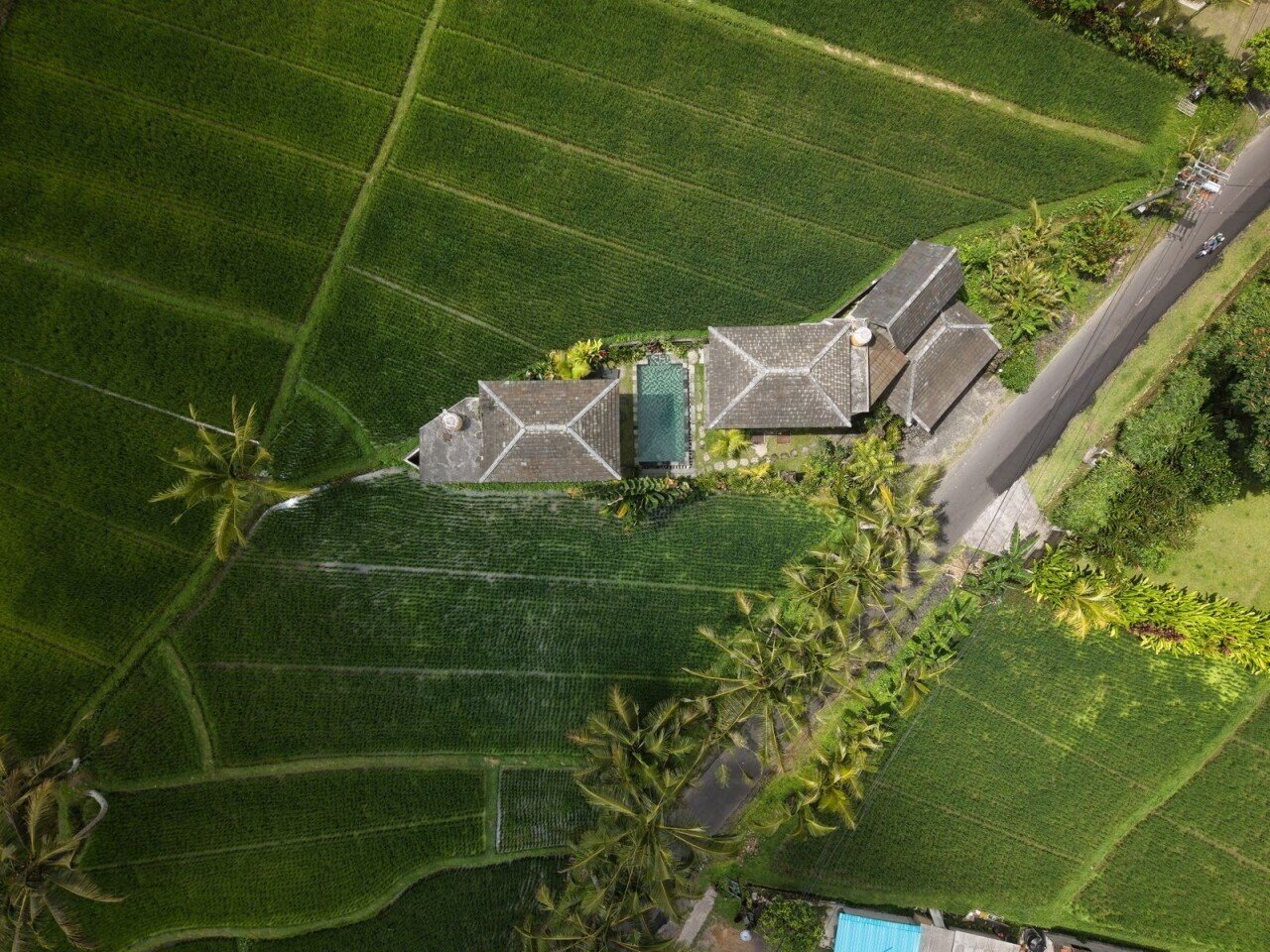
The counting of villas is up to the local authorities. The provincial public order agency explains that it cannot declare a villa illegal on its own: that decision is made together with the building agency and the office that issues permits. They look at whether construction is allowed on the plot at all and whether the house has encroached on protected land. This is not the first time they have been asked to do this.
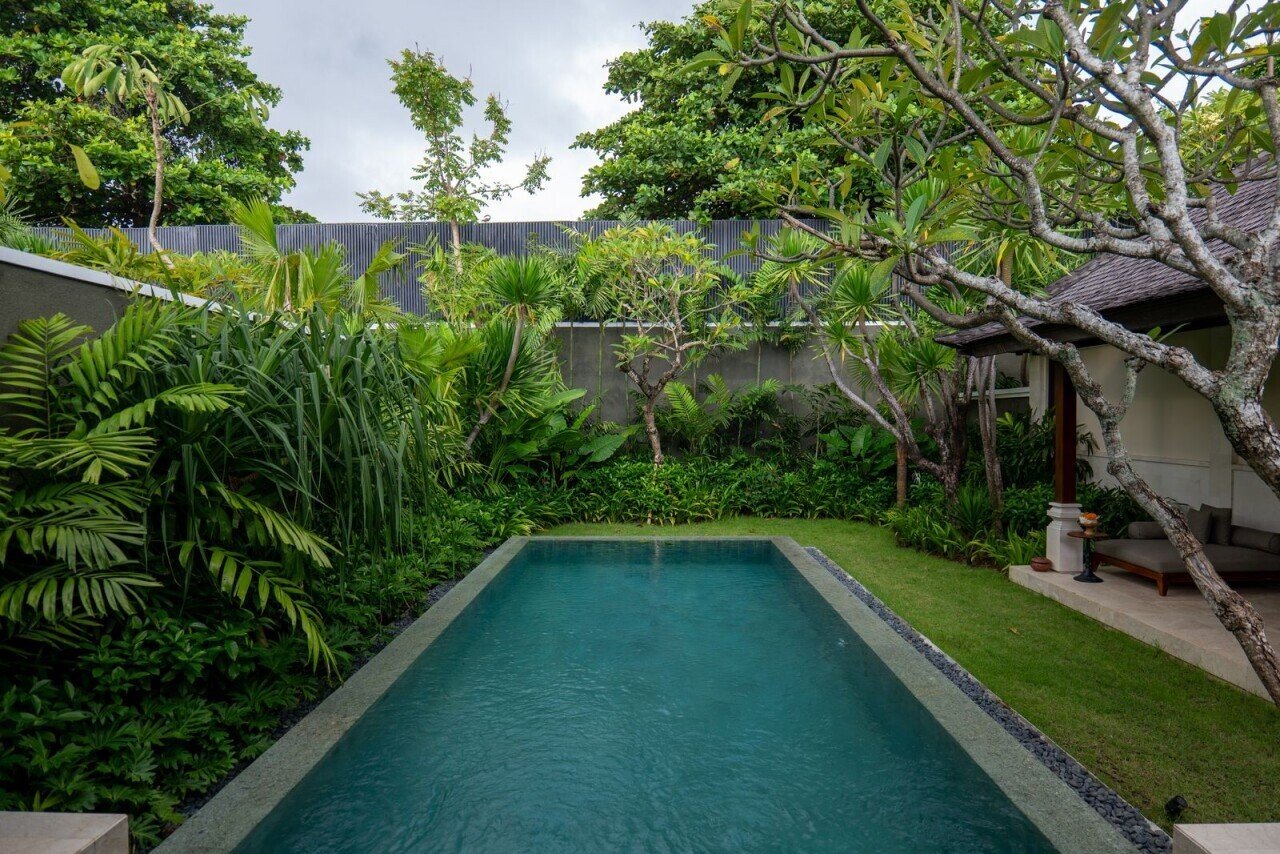
Most such villas are in the south of the island. In recent years they have spread further — towards Ubud, to the east and to Nusa Penida. In May, inspectors found two villas on Lembongan that did not have all the required permits.
The inspections are running alongside the clean-up of booking platforms that began in August. Thousands of properties on the island are rented out without registration.
The platforms received the list of unpermitted accommodation from the Ministry of Tourism back in early June and had a month to warn owners that their listings would be taken down. How many properties have already been removed from sale has not yet been disclosed.
To rent out a villa legally, you first need an NIB business number. It is obtained through the government's OSS system, where you choose a business activity code: 55130 if the owner lives in the house and rents out part of it, or 55203 if it is a villa. The number must be accompanied by a standards certificate, issued by a designated body within a year after the permit has been confirmed.
For the building itself, you need a PBG construction approval and an SLF certificate confirming the building is fit for use. Without the former you will not get the latter, and without the latter the property cannot be registered as tourist accommodation. To pay tax on the rental income, you also need a local tax number, NPWPD.
Penalties escalate step by step: first a written warning, then suspension of operations, then the villa is sealed, and finally the NIB and the certificate are revoked. On top of that, the owner will be charged tax for the entire period the villa was rented out without registration.
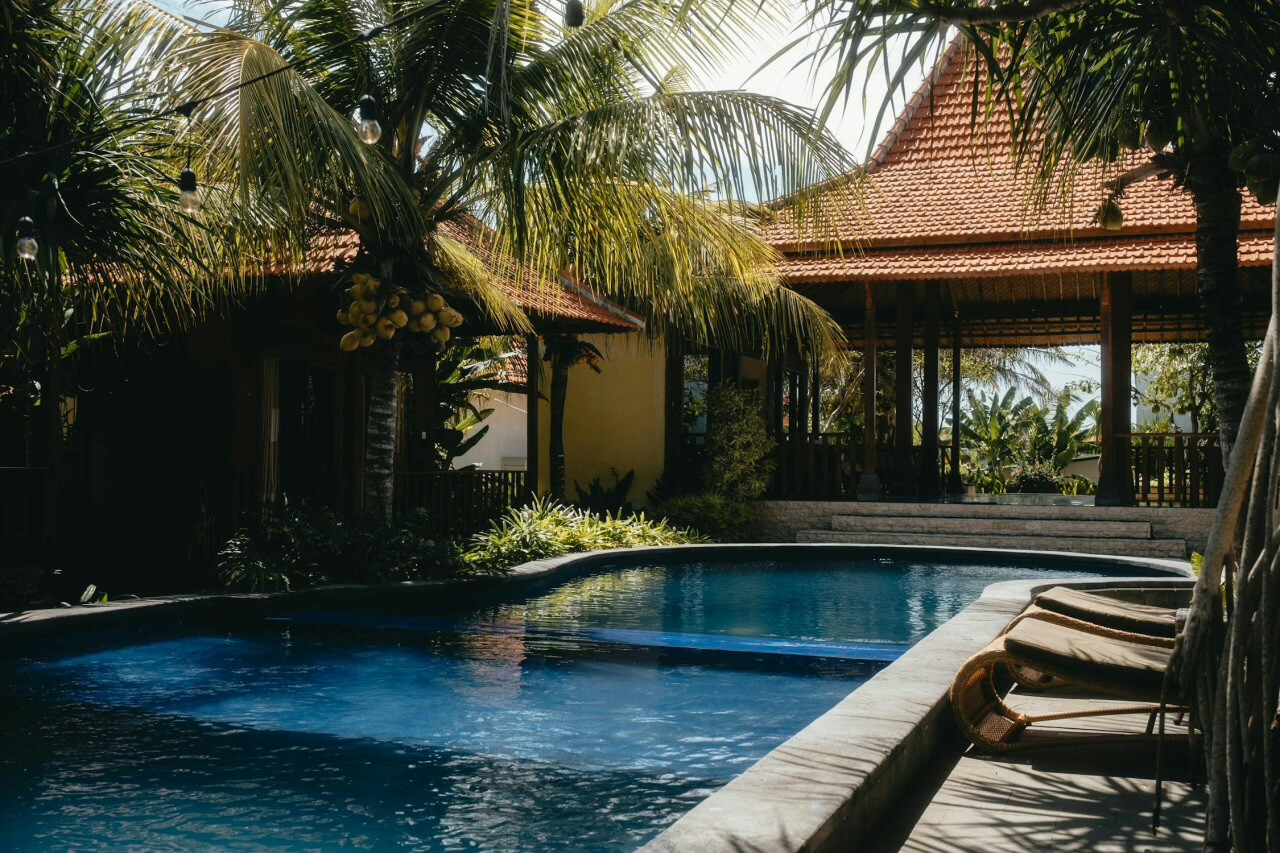
With villas on rice fields the approach is tougher. Building on protected agricultural land in Bali is prohibited, and since February this has been written into local law: a violation can lead to criminal proceedings.
The law separately covers the arrangement where land is registered in the name of a local resident but used by a foreigner. Construction on such plots has already been halted: in Canggu, work was banned on around thirty villas, both finished and unfinished.
A villa that is being rented can also be sealed, and work on the plot can be stopped. This has already happened at Bingin, in Canggu and on Lembongan.

The Ministry of Tourism, however, does not intend to shut villas down. Owners are being helped to obtain permits, while the platforms are required to show only legal accommodation. The ministry, together with the province, began educating owners back in 2025.
On August 14 the governor reported to the provincial council. From January to August the tourist levy brought in 235 billion rupiah, paid by 43% of visitors, compared with 35.4% a year earlier. The governor called putting tourist accommodation and the operation of booking platforms in order one of the urgent tasks.

You can add one right now!